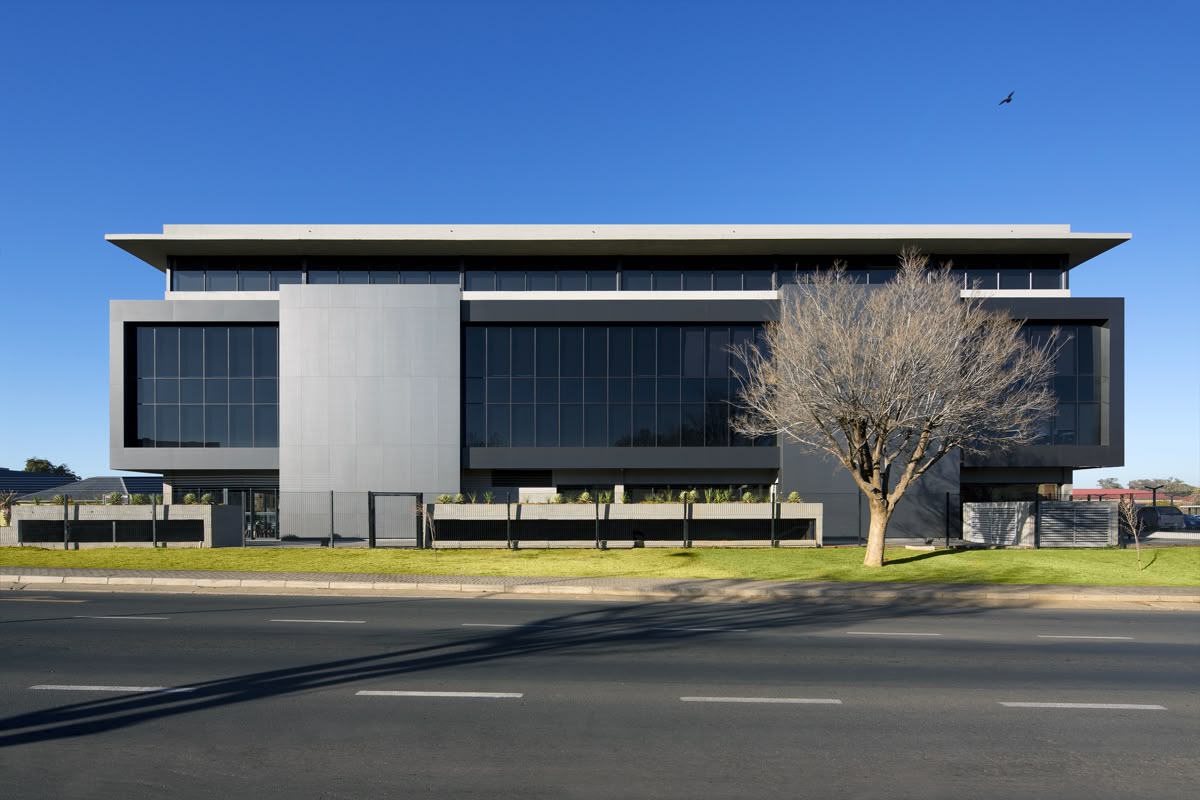

What we learned building a practice across three continents — and what stayed the same.
When Spoormaker & Partners opened its London office in 2019, we had been working in South Africa for 55 years. We had completed projects in 12 African countries. We understood MEP engineering. What we did not fully understand was how much of what we knew was market-specific — and how quickly that knowledge gap reveals itself when you are sitting across the table from a UK client for the first time.
This is an account of what we learned in the first five years of international practice. It is written for the South African engineering practice considering international expansion — with an honest account of what worked, what did not, and what we would do differently.
What travels well
Engineering rigour is genuinely universal. The physics of air conditioning is the same in London and Johannesburg. The principles of good electrical coordination do not change at the Limpopo. The technical quality that built our reputation in South Africa transferred directly — and was, if anything, better received in the UK market, where our project scale experience was unusual among practices of our size.
"The physics travels. The contracts, the procurement culture, the client relationships — none of it does. Assume you are starting from zero."
What does not travel
- —Contractual frameworks: NEC and JCT contracts operate very differently from JBCC — invest in legal training before your first UK project
- —Professional registration: ECSA registration is not recognised in the UK; your engineers will need to register with CIBSE or IMECHE
- —Climate assumptions: London's heating-dominated climate requires fundamentally different system strategies to Gauteng's cooling-dominated one
- —Client procurement culture: UK clients expect RIBA stage-gated fees with detailed scope schedules; open-ended professional relationships are less common
- —Planning and building control: Part L compliance modelling is mandatory and detailed; familiarise your team before appointment
Five years in, our London office is profitable and growing. We have completed projects in the UK, UAE and Mozambique from a London base. The lesson is not that international expansion is too hard — it is that the hard parts are not the engineering. Every practice that attempts it will find the technical work straightforward. The difficulty is in building new commercial relationships, navigating unfamiliar contractual cultures, and establishing the local reputation that South African clients already associate with your name.